
Newest Album “Theories of Mind”
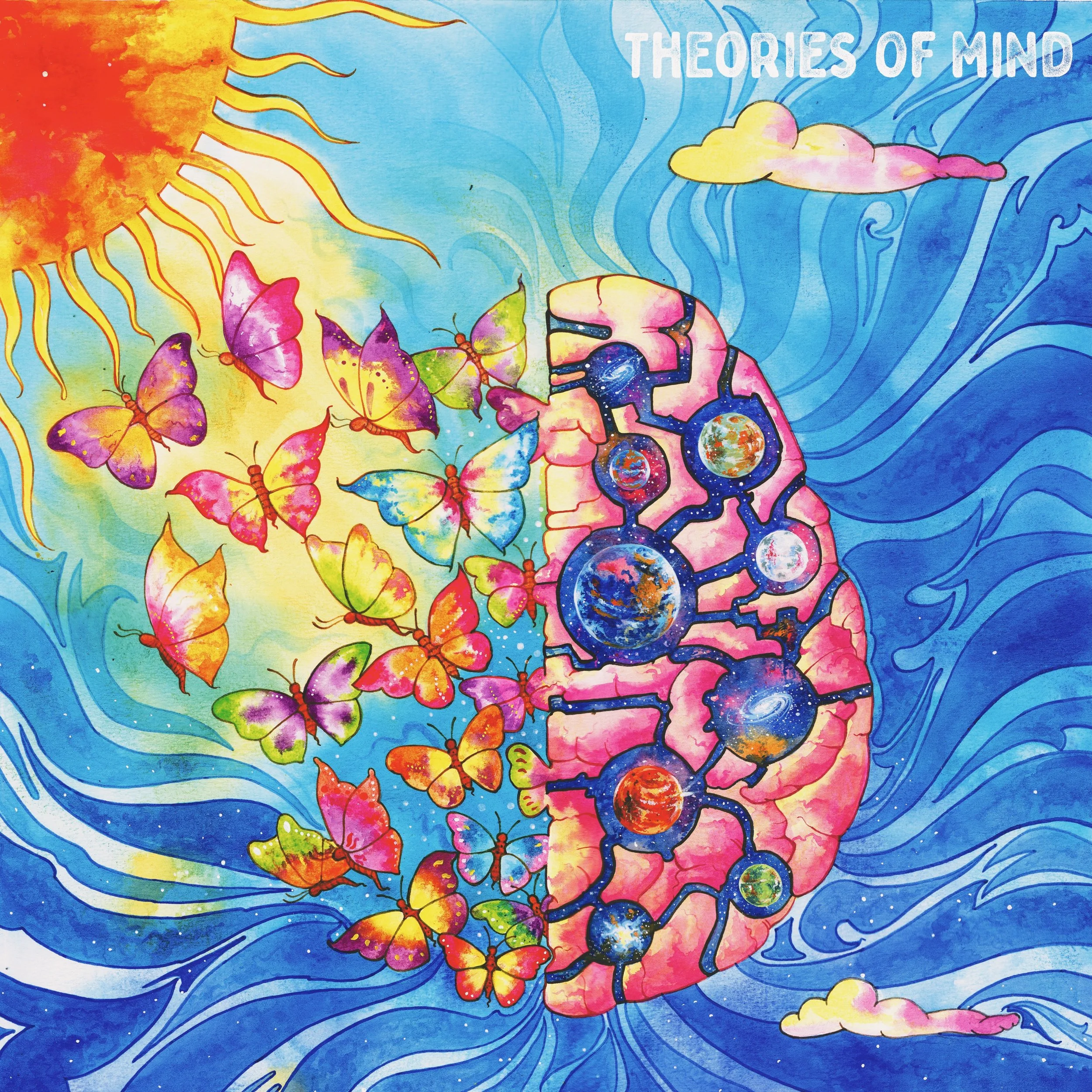
“Theories Of Mind” is the self-titled debut album from Theories Of Mind. The 2026 release brings together earlier material and new recordings into a cohesive full-band statement, balancing song-driven writing with expressive, exploratory arrangements influenced by progressive rock, jam-band openness, and elements of jazz and fusion.

Who We Are
Theories Of Mind is a Washington, DC–based alternative rock band blending song-driven writing with jam-band openness and progressive rock influences, informed by elements of jazz and fusion. Their music emphasizes strong melodies, emotional presence, and dynamic arrangements that prioritize feel, space, and musical interplay over rigid song structures.
What defines the sound:
Song-centered alternative rock with exploratory, guitar-forward arrangements
Influences from progressive, improvisation-driven traditions
Jazz and fusion sensibilities expressed through phrasing, dynamics, and ensemble interaction
A balance between composed material and spontaneous development
The project was founded by guitarist and songwriter Eric Boggess, who studied at Berklee College of Music and has continued his studies since 2016 with Anthony Pirog of The Messthetics. That background informs the band’s focus on tone, interaction, and expressive freedom within a modern rock framework.
Performing and recording as a full band, Theories Of Mind presents original music that bridges thoughtful, emotionally grounded songwriting with exploratory musicianship—remaining accessible and song-focused while leaving room for risk, texture, and long-form development.